Every hitter who keeps playing eventually swings wood, and the right Tater® custom wood bat makes the jump from metal a lot easier. The first swings on wood are some of the most useful reps you'll ever take, and some of the most frustrating. Metal hides mistakes. Wood shows you every one. Here's what changes, how to pick your first wood bat and how to make the switch.
What changes when you swing wood
| Metal bat | Wood bat | |
|---|---|---|
| Sweet spot | Bigger | Smaller |
| Mishits | Forgiving | You feel them |
| Weak contact | Can still carry | Dies |
| Durability | Dents | Can break |
The sweet spot is smaller
A metal barrel is built to give you a big sweet spot. On wood, it's significantly smaller, so you have to find the barrel. That's exactly what makes wood such a good teacher.
Mishits sting
Miss the barrel on metal and you barely feel it. Miss it on wood, especially on a cold day, and your hands will tell you. That feedback is how you learn where the barrel is.
Good contact is real contact
Square one up on wood and you'll hear and feel the difference. Weak contact dies instead of carrying the way it can off metal, so the results match the swing.
Wood bats can break
Metal dents. Wood can crack or break, most often on pitches off the handle or the end of the bat. Birch tends to split before it breaks. Taking care of your bat helps it last: see our wood bat care guide.
Picking your first wood bat, spec by spec
Length: the same as your metal bat
Swing the same length you swing in metal. If your BBCOR bat is 33", start with a 33" wood bat. Not sure of your size? Check the wood bat size chart.
Drop: match your league
- Coming from BBCOR (-3): a drop 3 wood bat feels the most familiar. It's the standard for high school, college and pro wood bats.
- Younger players coming from USSSA or USA bats: our youth wood bats, like the C271 youth bat, are drop 5 or 6, built to the USA Bat standard for Little League.
Always check your league's bat rules before you order.
Turn model: start balanced
A balanced bat swings closest to what you're used to, with no end load to adjust to. These are the best first wood bats:
| Model | Turn | Why it's a good first wood bat |
|---|---|---|
| X24 | 271 | The bat we recommend most for hitters moving off BBCOR: the handle and knob feel familiar and there's no end load |
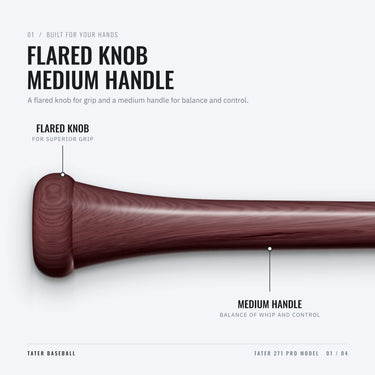
| C271 | 271 | The classic 271: medium handle, medium barrel, flared knob |
| X4 | RA13 | Our most balanced bat, with a thin handle for bat speed |
| X12 | X12 | Balanced, thin handle and flared knob |
Save the end-loaded models (like the X6, XL5, I13 and 243) and the torpedo for once you're squaring up wood consistently. Not sure what the difference feels like? See balanced vs end-loaded wood bats.
Wood: birch is the easier start
- Birch flexes a little more and forgives mishits, and it splits before it breaks. It's the wood we usually point hitters new to wood toward first.
- Maple is denser, with the hardest hitting surface and the cleanest pop, but it stings more on a mishit.
The wood changes how the bat feels on contact, not its balance: a balanced model stays balanced in either wood. More in our maple vs birch guide.
What to practice differently
- Aim for the center of the barrel. Stop trying to just put the bat on the ball. Drive the center of the barrel through it.
- Stay inside the ball. An inside pitch off the hands still flies off metal. On wood, it can break the bat.
- Be pickier at the plate. Wood punishes chasing bad pitches more than metal does.
- Get your reps in the cage. The offseason is the best time to make the switch. Here's why you should swing wood, not metal, this offseason.
Give it time
The first few weeks on wood are the hardest: mishits sting and the pop feels weaker than metal. Stick with it. As you learn where the barrel is, the mishits drop off and solid contact starts to feel better than anything you hit with metal.
Ordering your first wood bat
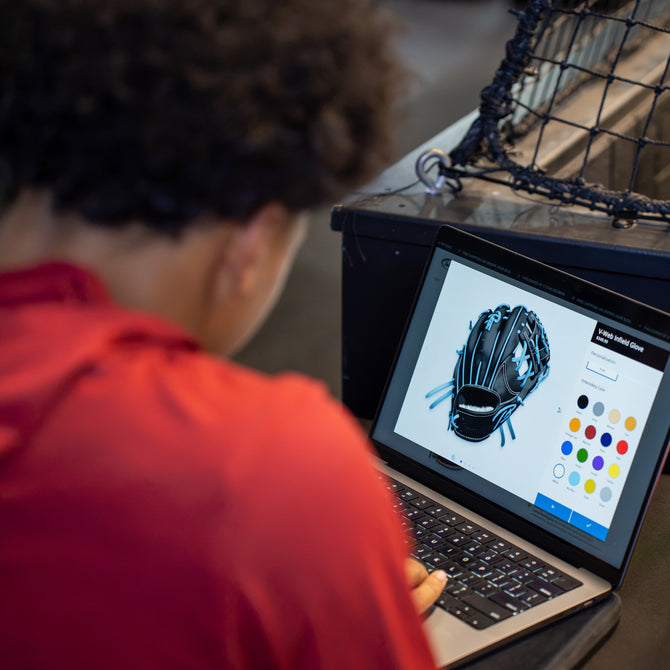
- Build it your way in the custom wood bat builder. Custom bats take about 10 to 14 business days, or 1 to 2 weeks with a rush build.
- Need it now? Our stock wood bats, including the X4 and X24, ship from Cheshire, Connecticut in 2 to 3 business days.
- Still not sure? Fill out our bat recommendation form and we'll help you pick.
Wood bat buying guide
- Your First Wood Bat: A Metal-to-Wood Transition Guide (you're here)
- How to Choose a Wood Bat: Length, Drop, Turn Model and Wood
- Balanced vs End-Loaded Wood Bats
FAQ
What's the best first wood bat for a hitter coming from metal?
A balanced 271 turn. The X24 is the bat we recommend most for hitters moving off BBCOR: the handle and knob feel familiar and there's no end load to adjust to. Birch is the more forgiving wood to start with.
What length wood bat should I get?
The same length you swing in your metal bat. If you're between sizes, go shorter.
Should my first wood bat be maple or birch?
Birch, for most hitters. It flexes a little more and forgives mishits. Maple is denser with more pop, but it stings more when you miss the barrel.
Will swinging wood make me a better hitter?
It makes you work for it. The smaller sweet spot and honest feedback on mishits force you to find the barrel and make adjustments that metal doesn't require.
Key takeaways
- Wood has a smaller sweet spot and doesn't forgive mishits, which is what makes it a good teacher.
- Start with the same length as your metal bat, a drop 3 if you swing BBCOR, a balanced model like the X24 or C271 and birch for the most forgiveness.
- Save end-loaded models for once you're squaring up wood consistently.
Best seller

Best seller


+3
Best seller